A Complex Return Home
When families began returning to Rosh HaNikra after a year and a half of evacuation, the homecoming was far from simple.
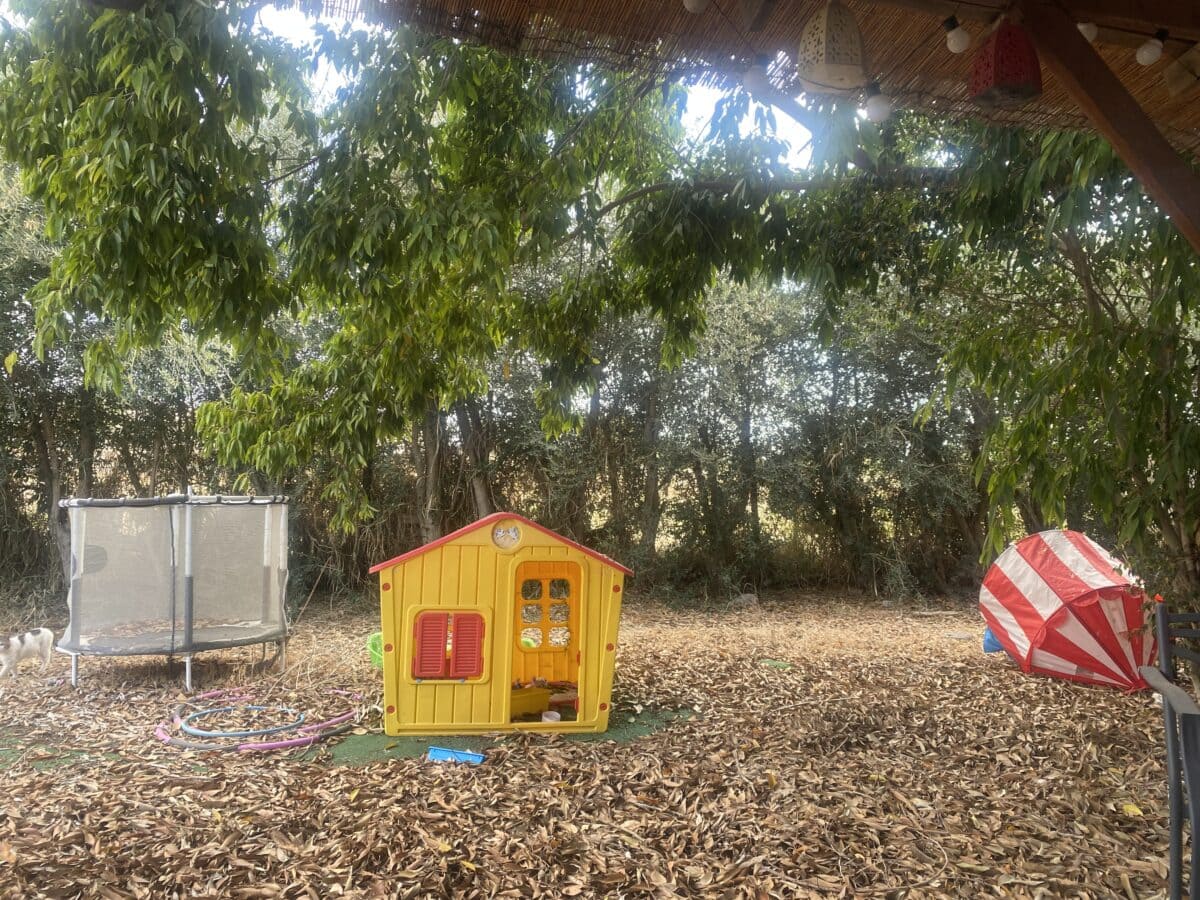
For many, life elsewhere had offered a different kind of stability, quieter days, reliable services, and a sense of normality that had long been absent. Some families chose not to return at all. Others came back to a place still in the process of rebuilding itself, both physically and emotionally.
A Quiet Arrival, A Lasting Impact
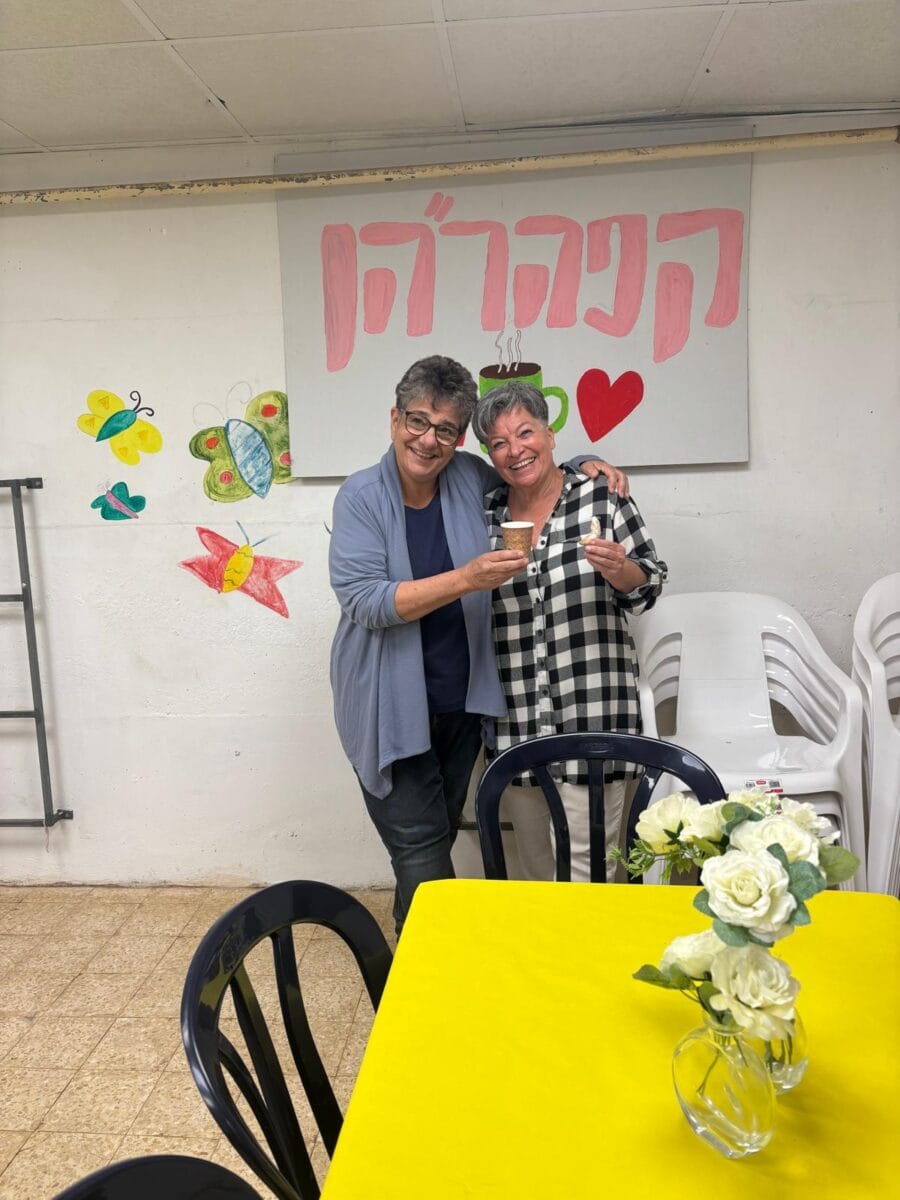
Into this fragile moment came the Shnat Sherut 50 Plus volunteers. They arrived without fanfare, bringing with them warmth, energy, and a readiness to step in wherever needed.
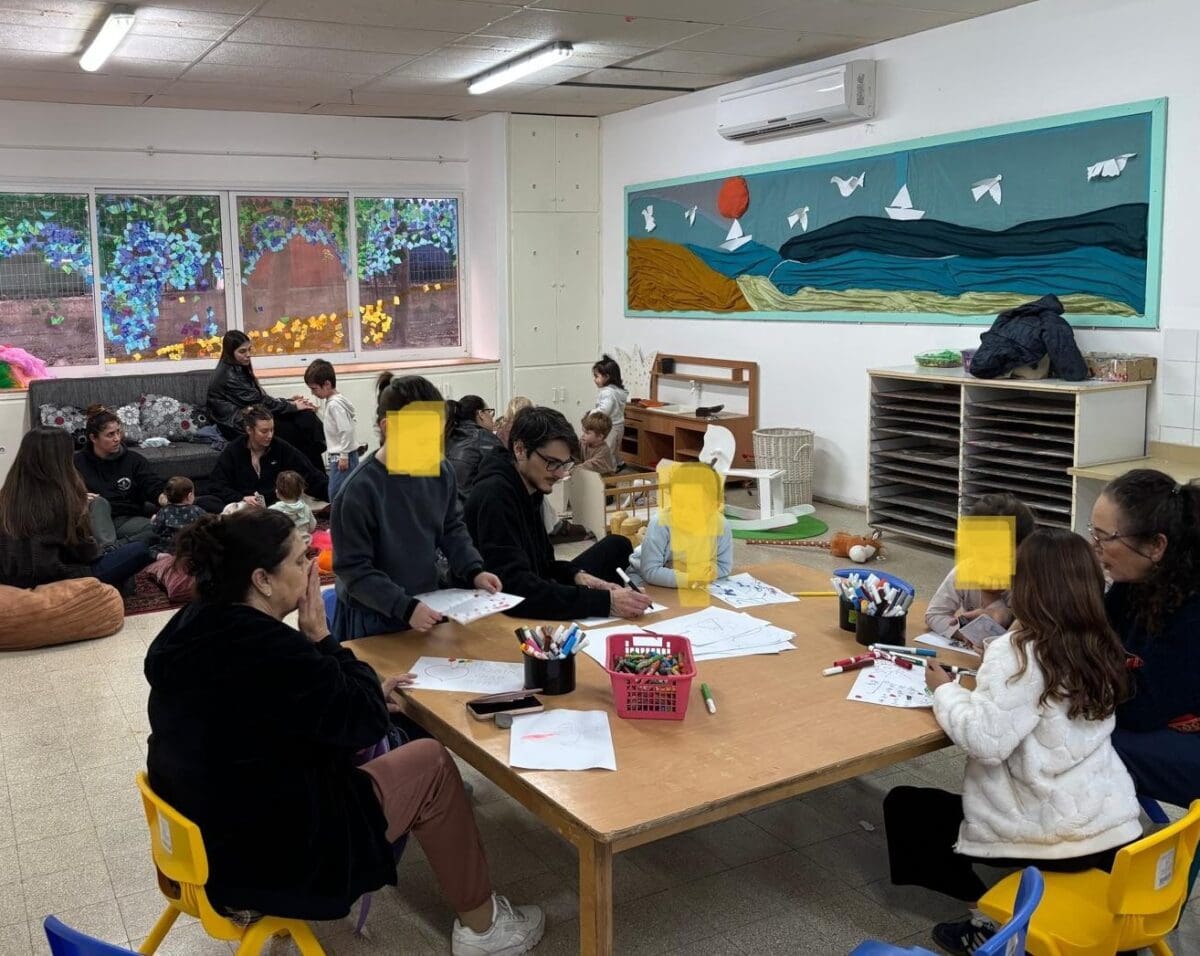
Their impact has been felt across the community, but one initiative in particular has become a focal point for rebuilding connection: the Narkis Parent & Infant space.
Rebuilding a Space, Rebuilding Connection
Led by Snonoit, Nomi, and Hagar, together with the wider volunteer group, the initiative began with a space that had been left behind during the long months of evacuation.
The building was worn and neglected, reflecting the disruption the community had endured. But the volunteers saw its potential. With care, patience, and over 120 hours of collective effort, they transformed it into a welcoming environment for mothers and young children, a place of gentleness in a time that has been anything but.
The Power of Everyday Encounters
The vision behind Narkis was simple, but deeply important:
- A place where mothers on maternity leave could gather
- A space for babies to play and develop
- An opportunity for relationships to begin forming again
In a community rebuilding after displacement, these small, everyday interactions carry real weight. They are the foundation of something larger – trust, familiarity, and a renewed sense of belonging.
Adapting to Reality
As circumstances shifted once again, so too did the reality on the ground. Without access to a protected room, the Narkis space could no longer operate safely. In Rosh HaNikra, where the time between siren and impact is almost immediate, there is no margin for risk.
Rather than pause the programme, the volunteers adapted. They carried it with them.
A local shelter became the new home of Narkis. And within it, the same atmosphere of care was carefully recreated.
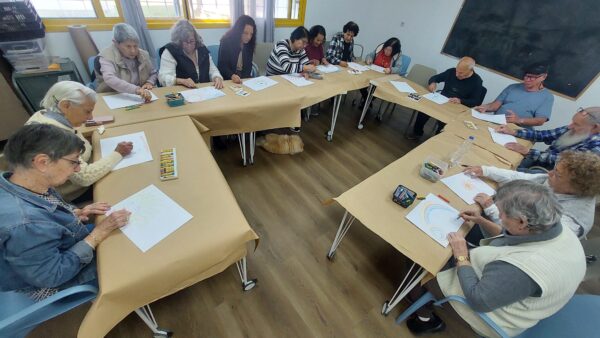
Each morning, mothers arrive with their babies for a shared session, now longer, slower, allowing space for play, conversation, and quiet reassurance. Alongside this, movement activities are offered for older preschool children, ensuring that different needs within the community continue to be met.
Holding Onto Rhythm
At the end of each week, families gather for a small Kabbalat Shabbat.
Parents and children come together in a shared moment of rhythm and familiarity. In a time when so much feels uncertain, these rituals offer something steady, an anchor in the week.
More Than a Physical Space
The physical setting may have changed, but the essence of Narkis has not.
What the volunteers created was never only about a building. It was about offering safety, connection, and belonging, something that can exist wherever it is needed.
Choosing to Stay
The volunteers themselves have made a similar choice.
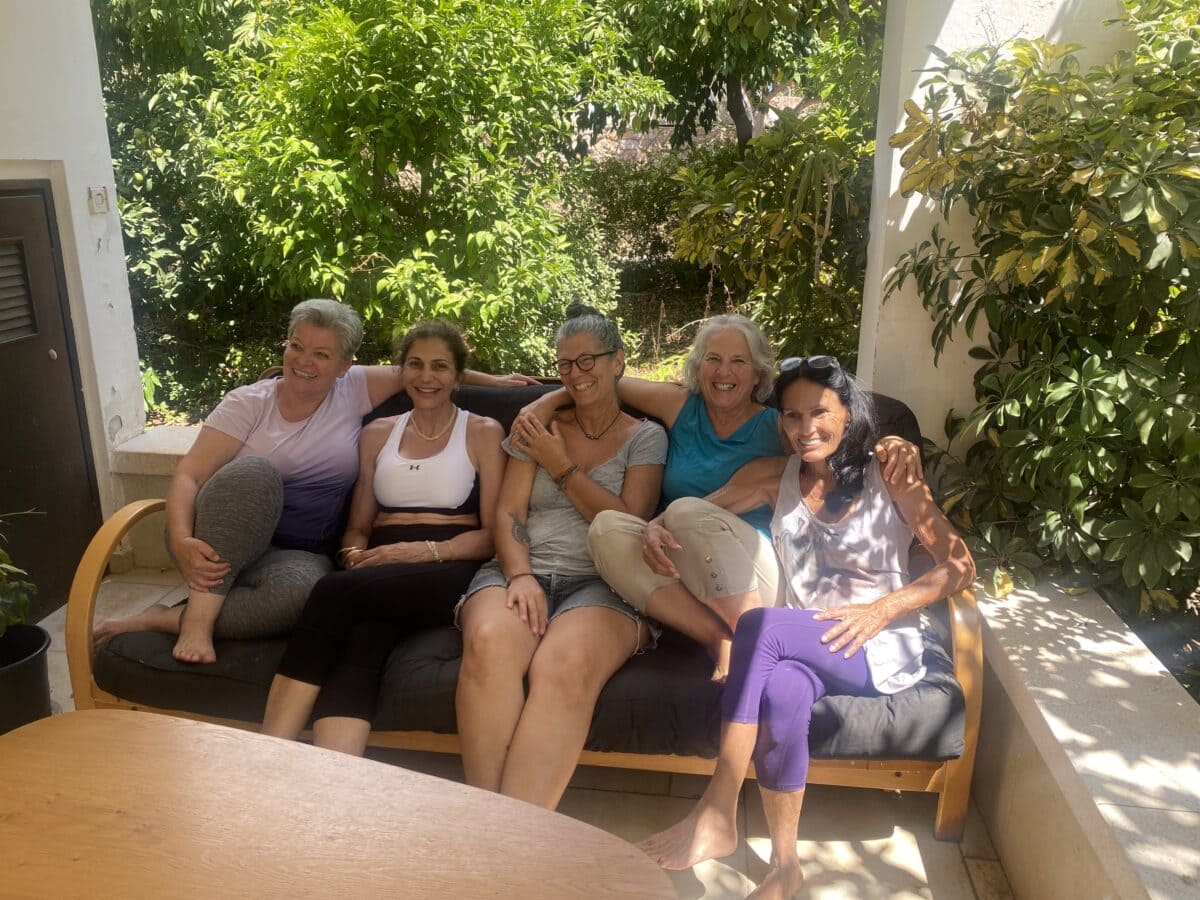
At a time when many could have returned to the relative security of their own homes, they have chosen to remain in Rosh HaNikra, living within the community, alongside the families they support.
Rebuilding the Fabric of Daily Life
For families still navigating what it means to return home, that presence matters.
And for the volunteers, it is simply a continuation of what they came to do: to stand alongside the community, and to help rebuild not just structures, but the fabric of daily life.