When people think about volunteering, they usually picture the work itself: teaching in schools, supporting older people, helping community organisations or sharing professional skills.
What they don’t often see is everything that happens behind the scenes.
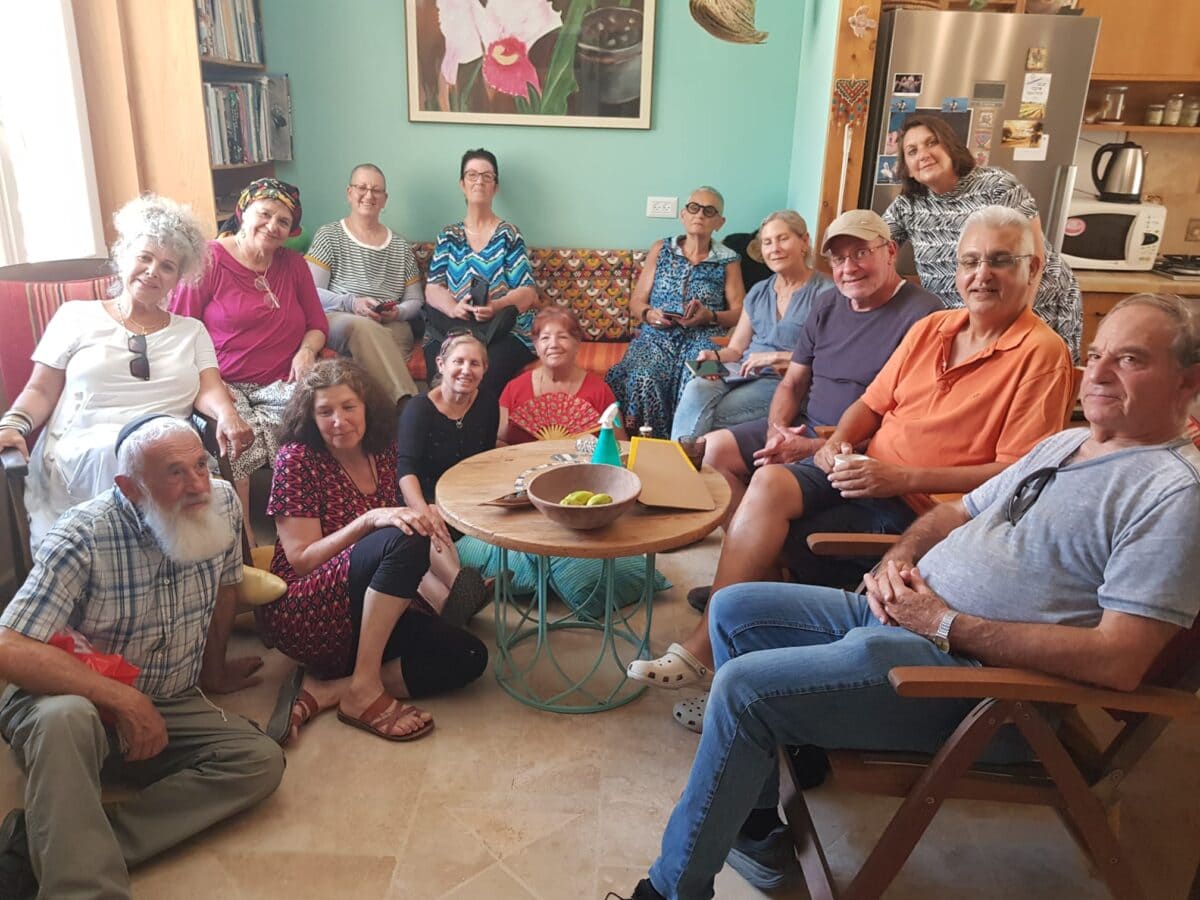
Every September, volunteers from across Israel arrive in Eshkol with decades of professional experience and a shared desire to make a difference. Yet they arrive as individuals. They have different backgrounds, different expectations and, often, understandable anxieties about leaving home and beginning a new chapter of life.
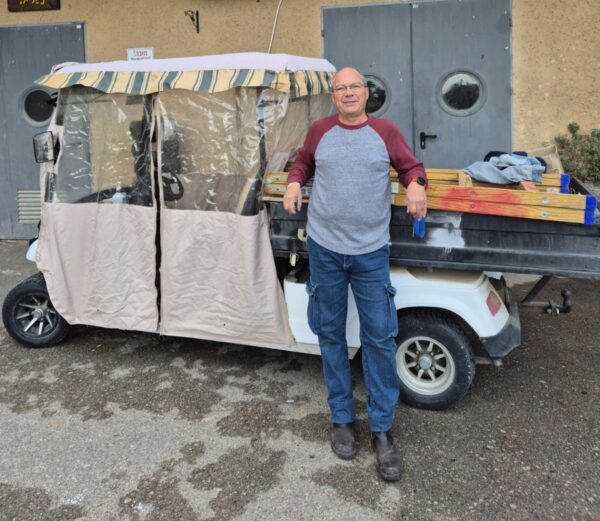
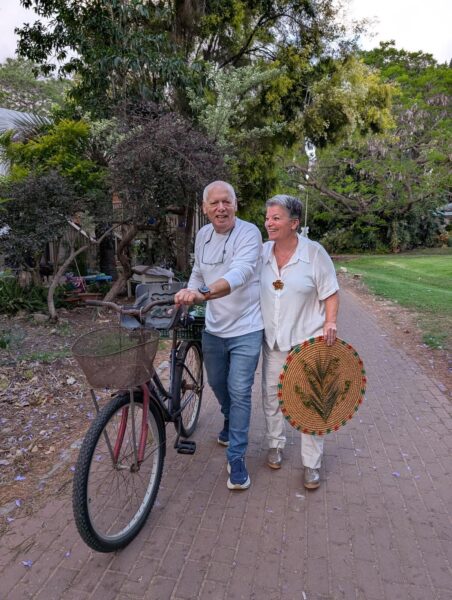
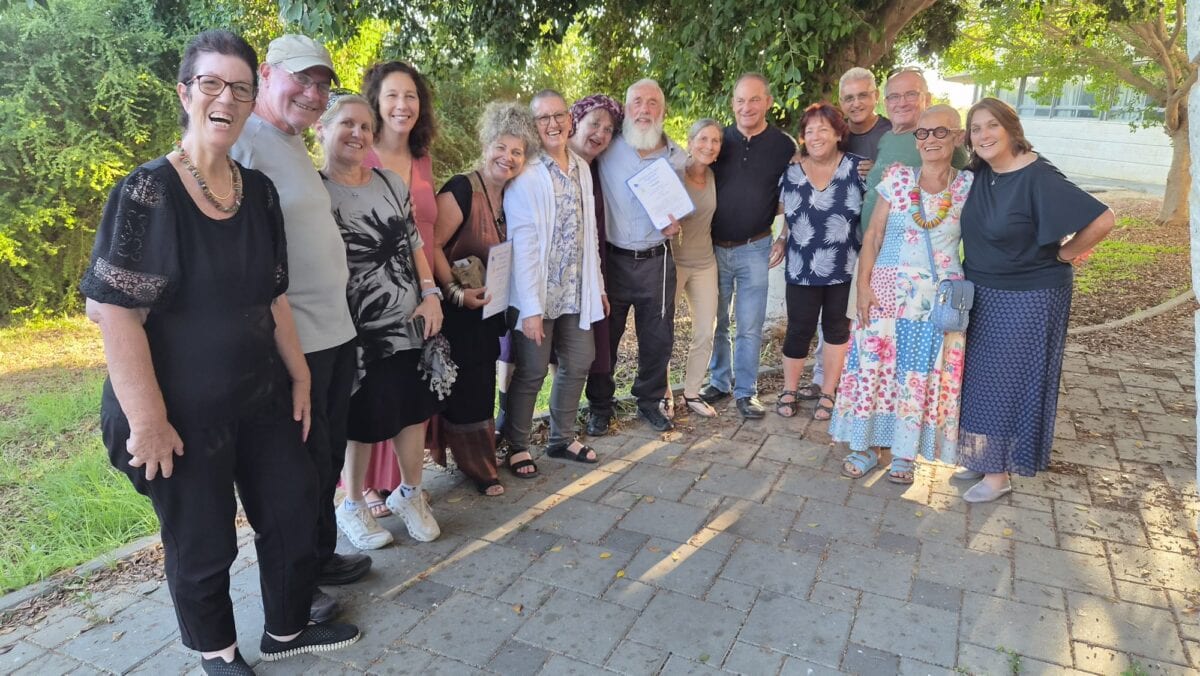
Helping them become a supportive, resilient community is the role of facilitator Rutti Meiri (featured below on the far right).
Turning Strangers into a Team
“My role is to take a collection of individuals who arrive with big ideas and a genuine desire to give, and help them become a group,” Rutti explains. “A group that supports one another, grows together, and becomes capable of achieving things that no individual could accomplish alone.”
That transformation does not happen overnight. During the first weeks, volunteers settle into shared accommodation, begin their placements and learn to navigate a new community. Like any major life transition, it takes time.
Building Confidence Through Connection
As confidence grows, volunteers begin encouraging one another, sharing ideas and creating projects together that they might never have attempted alone.
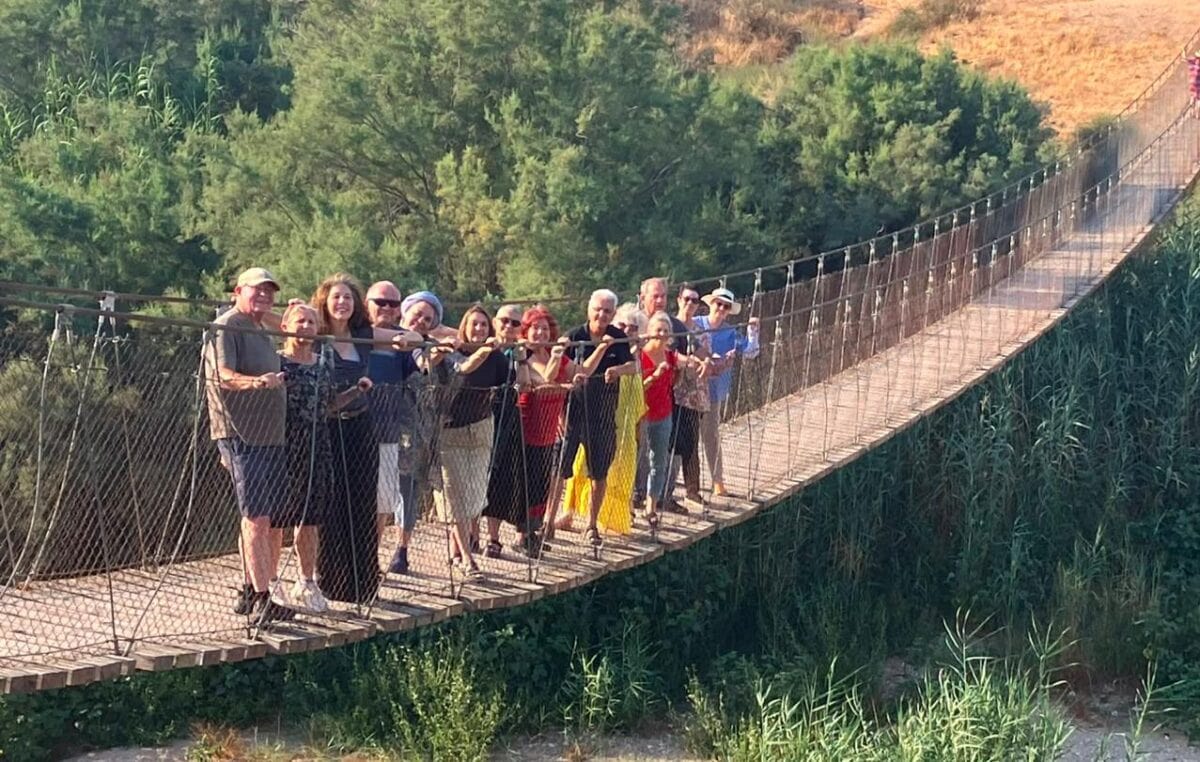
Over the past year they organised community clean-up projects, explored the region together, attended cultural events and found new ways to support their communities beyond their formal placements.
For Rutti, these activities are not simply social occasions.
They build trust.
Support When It Matters Most
Trust becomes essential when volunteers face the inevitable challenges of living away from home, adapting to shared accommodation or working in communities still rebuilding after trauma.
“You have to keep your finger on the pulse,” says Rutti. “You need to know how each person is coping and be there to listen when someone needs support.”
Every Volunteer Has Something to Teach
One of the program’s defining features is the weekly Sunday gathering, where every volunteer leads a session based on their own knowledge, profession or interests.
“It gives everyone a voice,” Rutti says. “People discover things about one another they would never otherwise have known, and every person contributes something unique to the group.”
Success Beyond the Program
For Rutti, the greatest measure of success comes after the official year has ended.
Former volunteers continue supporting one another, working on community projects together and, in many cases, choosing to remain in the communities where they served.
“When people want to stay for another year,” she reflects, “it tells you something important. It tells you the experience mattered.”
More Than a Year of Volunteering
Creating this kind of experience is about far more than organising meetings or solving practical problems.
It is about creating the conditions in which strangers become friends, individuals become a community and a single year of volunteering becomes the beginning of relationships that last long after the programme itself has ended.